Maintaining a healthy lifestyle can be a challenge, especially when it comes to children. With so many distractions—smartphones, video games, and social media—getting kids to prioritize their health can be a struggle. However, there’s a fun and engaging way to make health maintenance more appealing to children: play! By incorporating health-related activities into games, parents can motivate kids to take better care of their physical and mental well-being. In this article, we’ll explore how you can involve your kids in health maintenance through play and make it a fun, regular part of their daily routine.
Why Play Is Important for Health Maintenance
Before diving into specific activities, it’s important to understand why play is so effective for children. Play allows kids to learn and grow in a natural, stress-free environment. Through play, children can develop vital life skills such as creativity, problem-solving, teamwork, and emotional regulation. When you incorporate health maintenance into these playful activities, kids are more likely to be motivated to adopt healthy habits. The key is to make the activities fun, interactive, and rewarding.
1. Active Play for Physical Health
Physical health is one of the most critical aspects of overall well-being, and engaging children in physical play is an excellent way to help them develop strong bodies. From running around the park to playing sports, the opportunities for active play are endless.
Suggestions for Active Play:
- Obstacle Courses: Set up an obstacle course in your backyard or living room. Kids can jump, crawl, and run their way through the course while improving their cardiovascular health and coordination.
- Dance Parties: Put on some fun music and have a family dance-off! Dancing is an excellent way for kids to exercise without even realizing it, and it can boost their mood as well.
- Sports Games: Whether it’s soccer, basketball, or even a game of tag, getting kids involved in sports can improve their physical fitness, strength, and coordination.
Incorporating these physical activities into daily routines not only boosts physical health but also helps children understand the importance of regular movement for maintaining their well-being.
2. Games for Mental Health and Emotional Well-Being
Mental health is just as important as physical health. While mental health may seem like an abstract concept for young children, playful activities can promote emotional well-being, resilience, and mindfulness. Did you like our article? Read also about Hand Health for Gamers.
Suggestions for Mental Health Play:
- Mindfulness Games: Activities like deep-breathing exercises or “mindful coloring” can help children practice relaxation and become more aware of their emotions. Simple games like “Simon Says” can also teach kids to focus and stay calm.
- Emotion-Recognition Games: Create flashcards with different facial expressions, and have children guess the emotion shown. This helps children understand and manage their emotions, which is crucial for emotional health.
- Storytelling and Role Play: Encourage children to create their own stories or engage in role-playing games. This allows them to express their emotions creatively and learn how to navigate difficult situations.
By weaving these mental health-promoting activities into their playtime, kids can develop a better understanding of their emotions and how to cope with stress, anxiety, or sadness.
3. Teaching Healthy Eating Habits Through Play
Another essential aspect of health maintenance is nutrition. Teaching children about healthy eating habits through fun activities can instill a sense of responsibility for their own health.
Suggestions for Healthy Eating Games:
- Make a Healthy Meal Together: Let kids get involved in the kitchen by making healthy meals with you. Use colorful fruits and vegetables, and encourage them to create fun shapes or patterns on their plates.
- Food Sorting Games: Create a game where kids sort foods into “healthy” and “unhealthy” categories. This helps them understand the importance of choosing nutritious options.
- Veggie Hunt: Hide small pieces of fruits and vegetables around the house or yard and let your child “hunt” for them. This adds an element of adventure to the process of eating healthy.
These activities teach children the importance of eating nutritious foods while keeping them entertained and involved in the process.
4. Gamifying Hygiene Routines
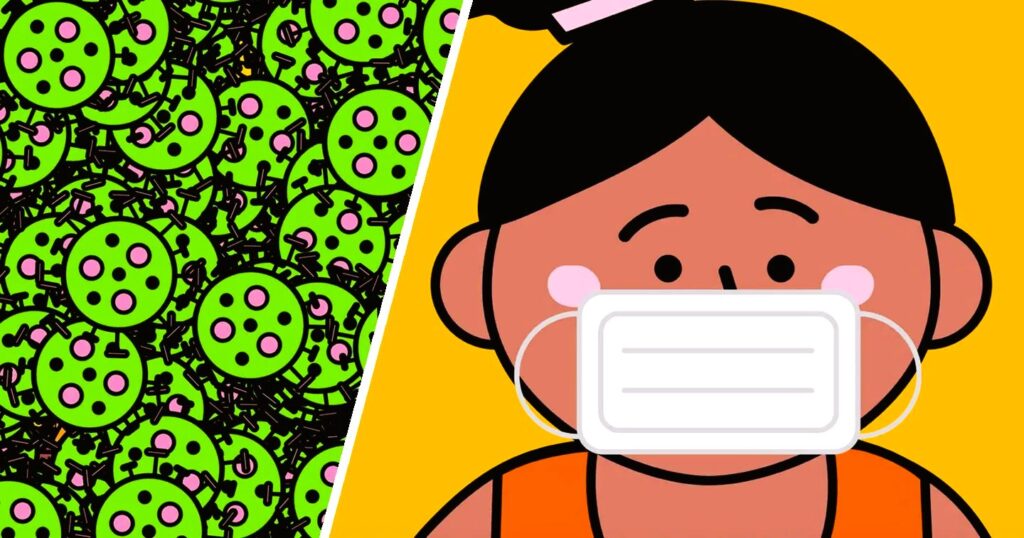
Teaching children about hygiene can be challenging, but by turning it into a game, you can make these tasks more enjoyable and less of a chore.
Suggestions for Hygiene Games:
- Toothbrush Timer: Turn brushing teeth into a fun activity by using a timer. Play a short song or set a timer to help your child understand the recommended two minutes for brushing.
- Hand-Washing Challenge: Create a challenge where your child has to wash their hands thoroughly in time to complete a specific action, like singing a song or completing a puzzle.
- Hygiene Role Play: Use dolls or action figures to demonstrate good hygiene habits, such as brushing teeth, washing hands, or taking a bath. Children love to imitate, and this activity helps them remember the importance of hygiene in a fun way.
These playful approaches make hygiene routines feel like a game, encouraging kids to adopt these practices regularly.
5. Sleep and Rest Through Play
Getting enough rest is vital for kids’ health, and establishing a consistent sleep routine can be tricky. However, you can use play to help them relax and ease into bedtime.
Suggestions for Restful Play:
- Bedtime Story Games: Make bedtime stories interactive by having your child act out parts of the story. This can help them wind down and prepare for sleep.
- Sleepytime Music: Use calming music or sound effects to create a soothing environment. You can even turn it into a “sleepytime mission” where your child’s goal is to get to bed before the music stops.
- Relaxation Games: Teach children relaxation techniques such as progressive muscle relaxation or simple breathing exercises, turning them into a fun game.
By incorporating relaxation and sleep routines into playtime, you can help your child develop a healthy sleep pattern that’s crucial for their overall health.
Incorporating health maintenance into play is a powerful way to help children understand the importance of physical, mental, and emotional well-being. By turning everyday health habits into fun activities, you can ensure that your child stays motivated, engaged, and excited about living a healthy lifestyle. Whether it’s through active play, promoting healthy eating, encouraging hygiene, or establishing sleep routines, health maintenance through play can be both effective and enjoyable.
For more information on child development and health, you can visit the Wikipedia article on Child Development.